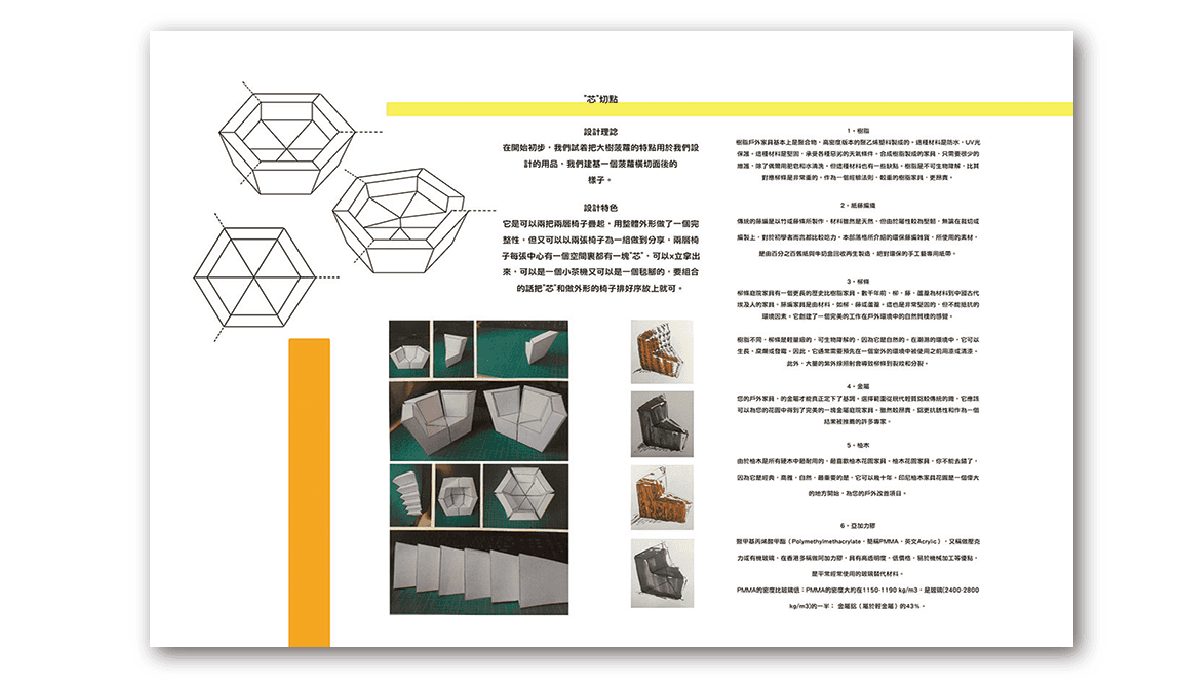
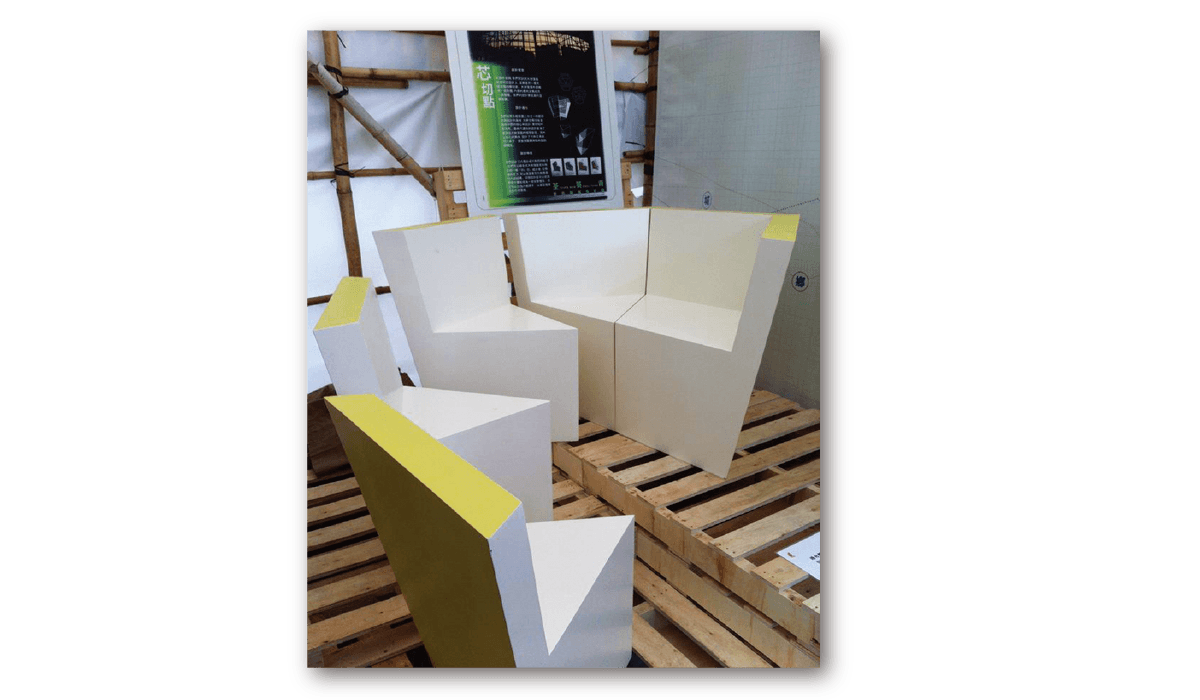
This cultural preservation initiative aims to revive an abandoned village in Hong Kong by highlighting its unique local features. The core design element will be the famous pineapple trees that thrive in the village's surrounding area. A series of furniture pieces will be created using the pineapple tree motif, combining its distinct shape and texture to produce functional, yet visually striking, pieces that can be used by visitors to the village.
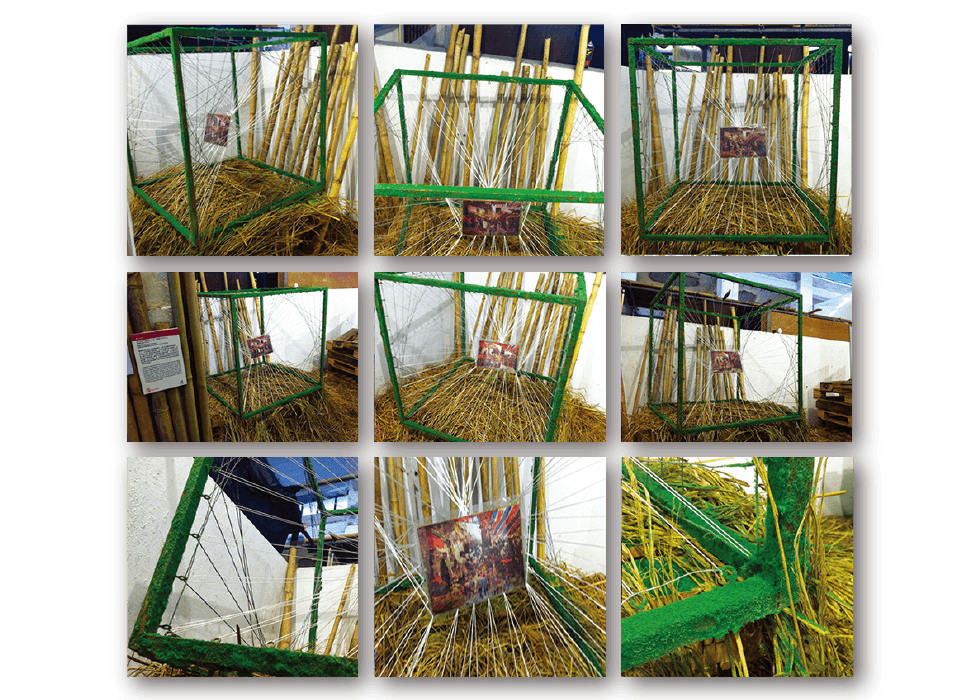
Additionally, an installation art piece will be created for a cultural event in the Tai Po Market area. This installation will represent the village's history and evolution, using a frame structure to symbolize the village's weekly rental houses. The frame will be surrounded by interconnected lines, representing the journeys and connections made by the people who lived in the village over the years. Within the frame, a 3D-printed image will showcase the village's appearance both in the past and present, highlighting the changes and continuity of the community.
(MY APPROACAH)
The design approach for this cultural preservation initiative will focus on integrating the unique local elements of the abandoned village, particularly the pineapple trees, into practical and visually engaging solutions. The pineapple tree-inspired furniture pieces will be designed to be both durable and weatherproof, allowing them to be easily shared and used by visitors to the village.
For the Tai Po Market installation, the design will aim to create a thought-provoking and visually striking representation of the village's history and evolution. The use of natural materials, such as the interconnected lines, will reinforce the connection between the community and its physical environment, while the 3D-printed image will provide a compelling contrast between the past and present.
(VISION & INNOVATION)
The overarching vision for this cultural preservation initiative is to breathe new life into the abandoned village, while also honoring its rich history and the resilience of the local community. By showcasing the distinctive pineapple tree motif and creating functional, yet artistic, pieces for visitors to use, the design aims to spark a renewed interest and appreciation for the village's unique identity.
The Tai Po Market installation will serve as a powerful visual narrative, inviting visitors to reflect on the journey of the village and its people. By juxtaposing the past and present, the design will highlight the enduring spirit of the community, inspiring a sense of cultural pride and a desire to preserve and celebrate the village's heritage.
(CHALLENGES)
Effectively translating the pineapple tree motif into practical and visually appealing furniture pieces that can withstand outdoor use.
Capturing the essence of the village's history and evolution in a concise and impactful installation that resonates with a diverse audience.
Ensuring that the design solutions are sustainable, both in terms of materials and longevity, to support the long-term preservation of the village's cultural heritage.
(PROBLEMS)
Balancing the functional and aesthetic requirements of the pineapple tree-inspired furniture pieces to create a harmonious and visually striking collection.
Determining the most effective way to represent the village's past and present in the Tai Po Market installation, without oversimplifying or diminishing the nuances of its history.
Securing the necessary permissions and resources to implement the design solutions, particularly in the public space of the Tai Po Market.
(USER-CENTRIC DESIGN)
The design of this cultural preservation initiative will be user-centric, focusing on creating engaging and meaningful experiences for both the local community and visitors to the village. By incorporating the pineapple tree motif into the furniture pieces, the design will aim to foster a sense of pride and ownership among the villagers, while also providing a unique and inviting space for visitors to interact with the local culture.
The Tai Po Market installation will be designed to captivate and educate the audience, encouraging them to reflect on the village's history and its ongoing significance. The use of 3D-printed imagery and natural materials will create a multi-sensory experience, allowing visitors to connect with the village's past and present in a tangible and immersive way.
(USER NEEDS)
Providing the local community with functional and visually appealing spaces that celebrate their unique cultural identity.
Offering visitors to the village an engaging and informative experience that sparks their curiosity and interest in the local heritage.
Creating a sense of cultural pride and ownership among the villagers, empowering them to actively participate in the preservation and revitalization of their community.
Encouraging a deeper understanding and appreciation of the village's history and evolution, inspiring both the local community and visitors to preserve and celebrate the unique cultural assets.